How to Plan a Youth Soccer Tour to Spain
9 min read
By Juan Sanchez — Director at Odisea Tours & Founder of MyCantera
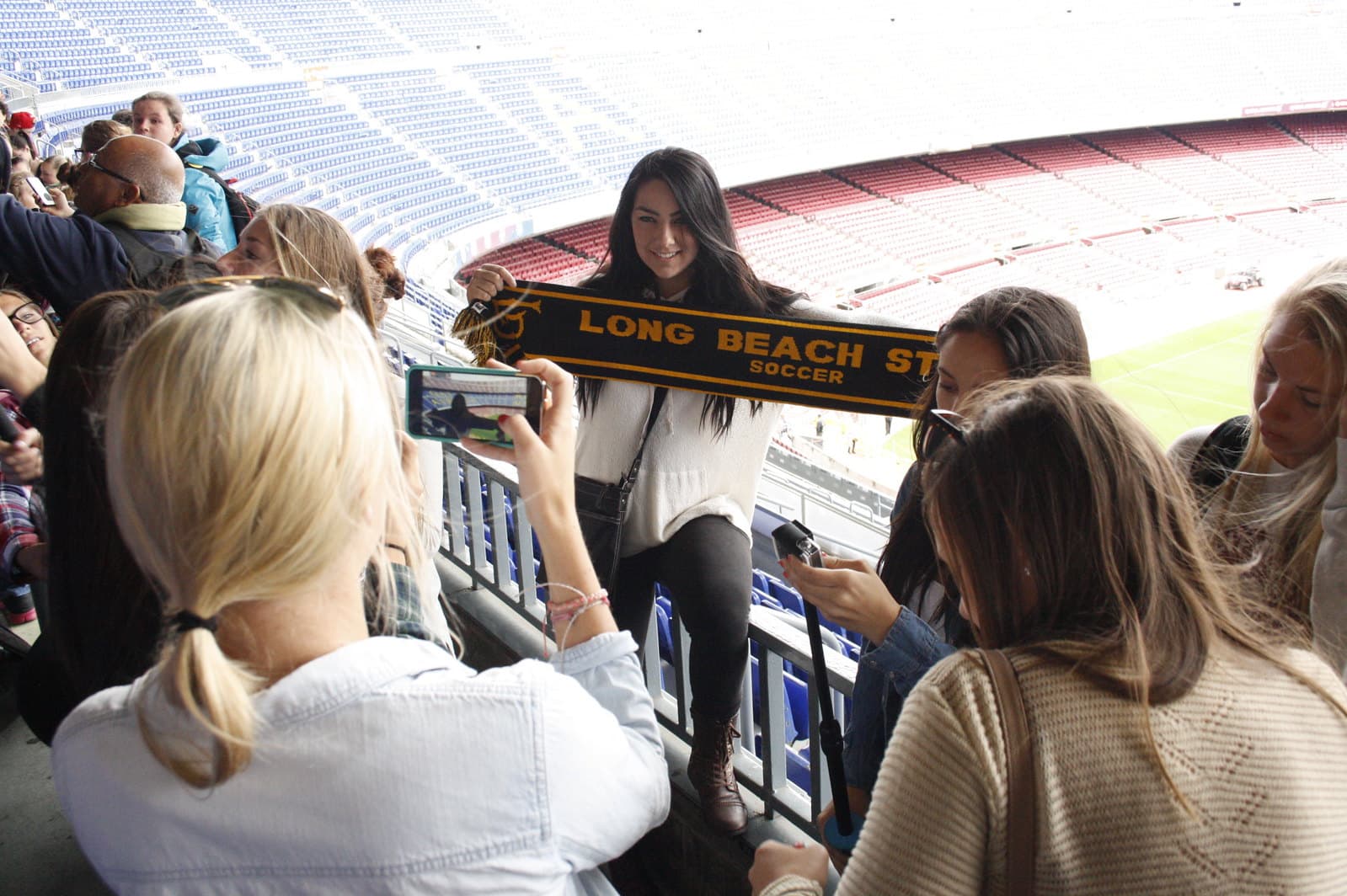
Spain is the number one destination for youth soccer tours in the world, and it is not hard to see why. The combination of world-class football culture, reliable weather, safe infrastructure, and unforgettable cultural experiences makes it the obvious choice for clubs looking to take their players abroad. But a great tour does not happen by accident. It takes careful planning across timing, activities, budget, and logistics. This guide walks you through every step of organizing a youth soccer tour to Spain that your players and families will remember for years.
When to Go
Timing matters more than most clubs realize. The best months for a youth soccer tour to Spain are March through May and September through November. During these windows, temperatures are comfortable for training and matches, typically between 15 and 25 degrees Celsius, and the Spanish football calendar is in full swing, making it easier to arrange competitive fixtures against local academy sides.
Avoid July and August if possible. Temperatures regularly exceed 35 degrees in Madrid, Seville, and inland cities, which creates real safety concerns for young athletes. Spanish clubs also shut down their youth programs during the summer break, making it harder to arrange quality opposition. June can work in northern Spain and coastal regions like Barcelona and Valencia, where sea breezes keep conditions manageable.
School holiday periods in the United States, particularly spring break in March and April, align well with the optimal travel window. Planning around these breaks reduces the academic disruption that families worry about.
What to Include
The best youth soccer tours to Spain blend competitive football with cultural immersion. A well-rounded itinerary includes several key elements that keep players engaged and give families confidence that the trip is worth the investment.
Stadium Visits
Nothing inspires a young player like walking through the tunnel at Camp Nou or standing pitchside at the Santiago Bernabeu. Both stadiums offer incredible tour experiences. The newly renovated Bernabeu features an immersive museum, a retractable pitch, and a 360-degree panoramic viewing deck. Camp Nou's tour includes the museum, the dressing rooms, the press room, and access to the pitch-side area. For teams touring Valencia, Mestalla offers a more intimate but equally passionate experience.
Training Sessions with Local Academies
Arrange at least one or two training sessions at quality local facilities. Many Spanish clubs welcome visiting youth teams for joint sessions, where your players train alongside Spanish players and experience first-hand the technical, possession-based style that defines Spanish football. These sessions are often the highlight of the tour for players and coaches alike.
Friendly Matches vs Spanish Clubs
Plan two to three competitive fixtures against local academy sides matched to your team's level. A good ground operator will know which clubs provide appropriate opposition and can arrange matches at proper facilities with referees. These matches expose your players to different tactical approaches and a level of technical quality they may not encounter domestically.
Cultural Activities
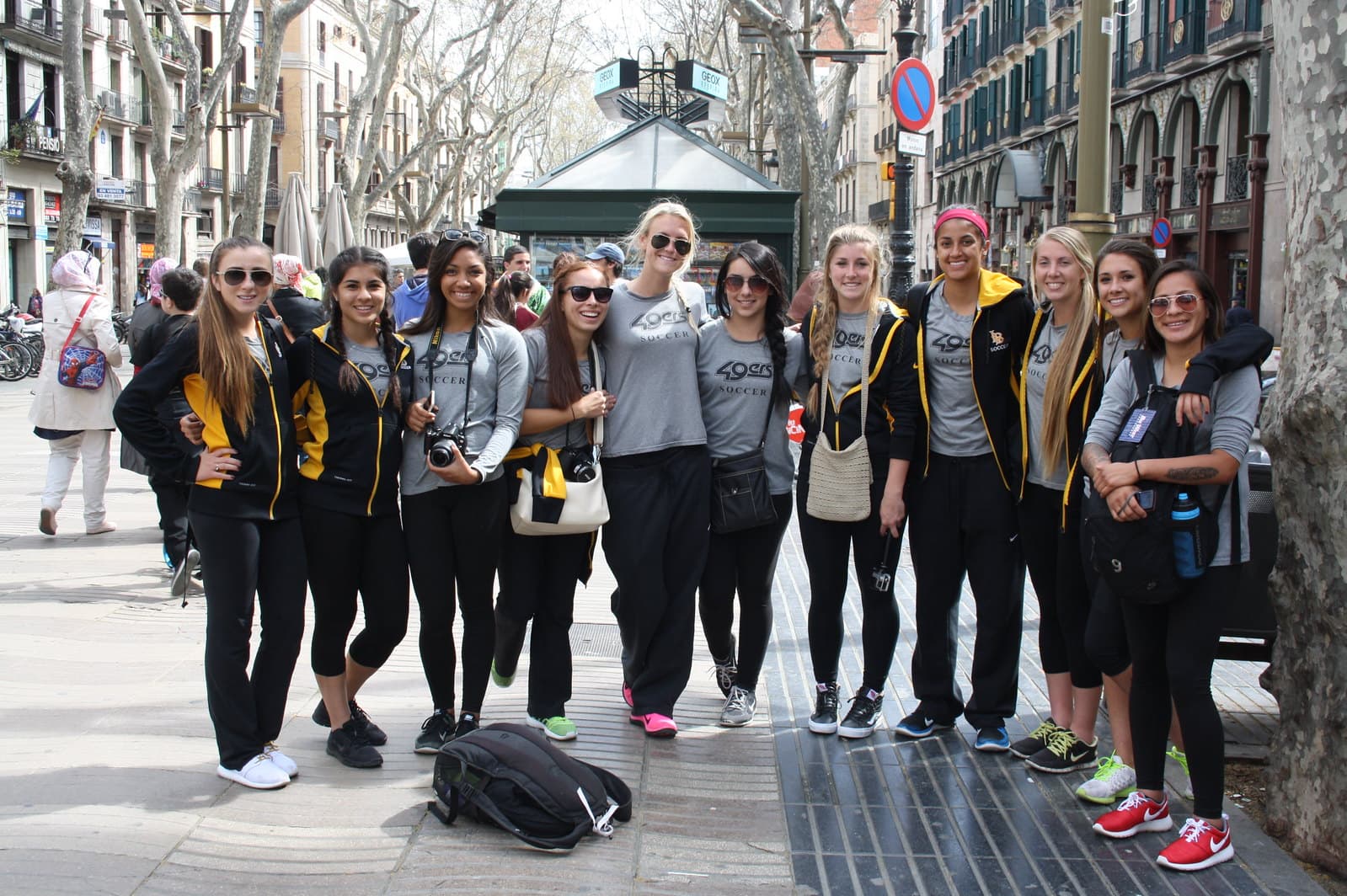
Build in cultural experiences beyond football. City walking tours, visits to La Sagrada Familia in Barcelona, the Royal Palace in Madrid, or the City of Arts and Sciences in Valencia give players a broader perspective and make the trip meaningful for families who may be traveling with the group. A farewell dinner at a local restaurant is a great way to close the tour.
Budgeting Your Tour
Cost is the single biggest factor for families deciding whether to commit to a tour. Transparency from day one is essential. A typical youth soccer tour to Spain lasting seven to ten days costs between $2,000 and $3,500 per player, depending on the standard of accommodation, the number of activities, and whether flights are included in the package.
- Flights: $600-$1,200 per person depending on departure city and booking lead time
- Accommodation: $40-$80 per night per player in apartment-style housing or sport hotels
- Ground transportation: $1,500-$3,000 for the group (private coach for the duration)
- Match and training fees: $200-$500 per fixture including facility rental and referees
- Stadium tours and activities: $15-$40 per person per activity
- Meals: $25-$40 per day per person if not self-catering
- Travel insurance: $30-$60 per person for the trip duration
Offer families a payment plan that spreads the cost over four to six months. This dramatically increases participation rates and reduces last-minute dropouts. Build in a ten percent contingency buffer for unexpected expenses like medical visits or itinerary changes.
Logistics to Consider
Beyond the itinerary and budget, several logistical details can make or break a tour if overlooked.
- Group size: 18-22 players is ideal for 11v11 football, plus 3-4 staff. Larger groups need multiple coaches and increase complexity
- Passports: Every player needs a valid passport with at least six months remaining. Start the verification process immediately after squad selection
- Travel insurance: Mandatory for every participant. Ensure it covers sports-related injuries and medical evacuation
- Parent communication: Send regular updates during the tour. Daily photo recaps and a shared group calendar keep families informed and reduce anxiety
- Safeguarding: Ensure appropriate adult-to-player ratios, DBS-checked or background-checked staff, and clear protocols for emergencies
- Kits and equipment: Bring enough match kits, training gear, and medical supplies. You cannot count on finding what you need abroad at the last minute
Let Odisea Tours Handle It
Planning all of this from another country, often in another language, is where most clubs struggle. This is exactly why Odisea Tours exists. As a specialist ground operator based in Spain since 2005, Odisea Tours handles every on-the-ground detail for visiting youth soccer teams: fixture arrangement with local academies, stadium tour bookings with skip-the-line access, accommodation, private transportation, cultural activities, and on-site support throughout the trip.
Working with an experienced ground operator means coaches can focus entirely on the football and the players, not on navigating bus schedules, restaurant reservations, or last-minute pitch changes. Odisea Tours has deep relationships with Spanish clubs at every level, from grassroots to professional academies, and knows exactly how to match visiting teams with appropriate opposition for meaningful, competitive fixtures.
How MyCantera Helps
MyCantera's platform makes the administrative side of tour planning seamless. Use the roster management tools to select your traveling squad and track who has submitted passport details. The built-in payment tracking system lets you set up installment plans and monitor which families have paid, removing the awkwardness of chasing payments manually. And the parent communication portal keeps every family informed with schedule updates, photo recaps, and itinerary changes, all in one place instead of scattered across WhatsApp groups.
Related Articles
Start Planning Your Tour to Spain
Select your traveling squad, track payments, and keep families informed — all from one platform.
Start Free