Planning an International Soccer Tour: The Complete Playbook
11 min read
By Juan Sanchez — Director at Odisea Tours & Founder of MyCantera
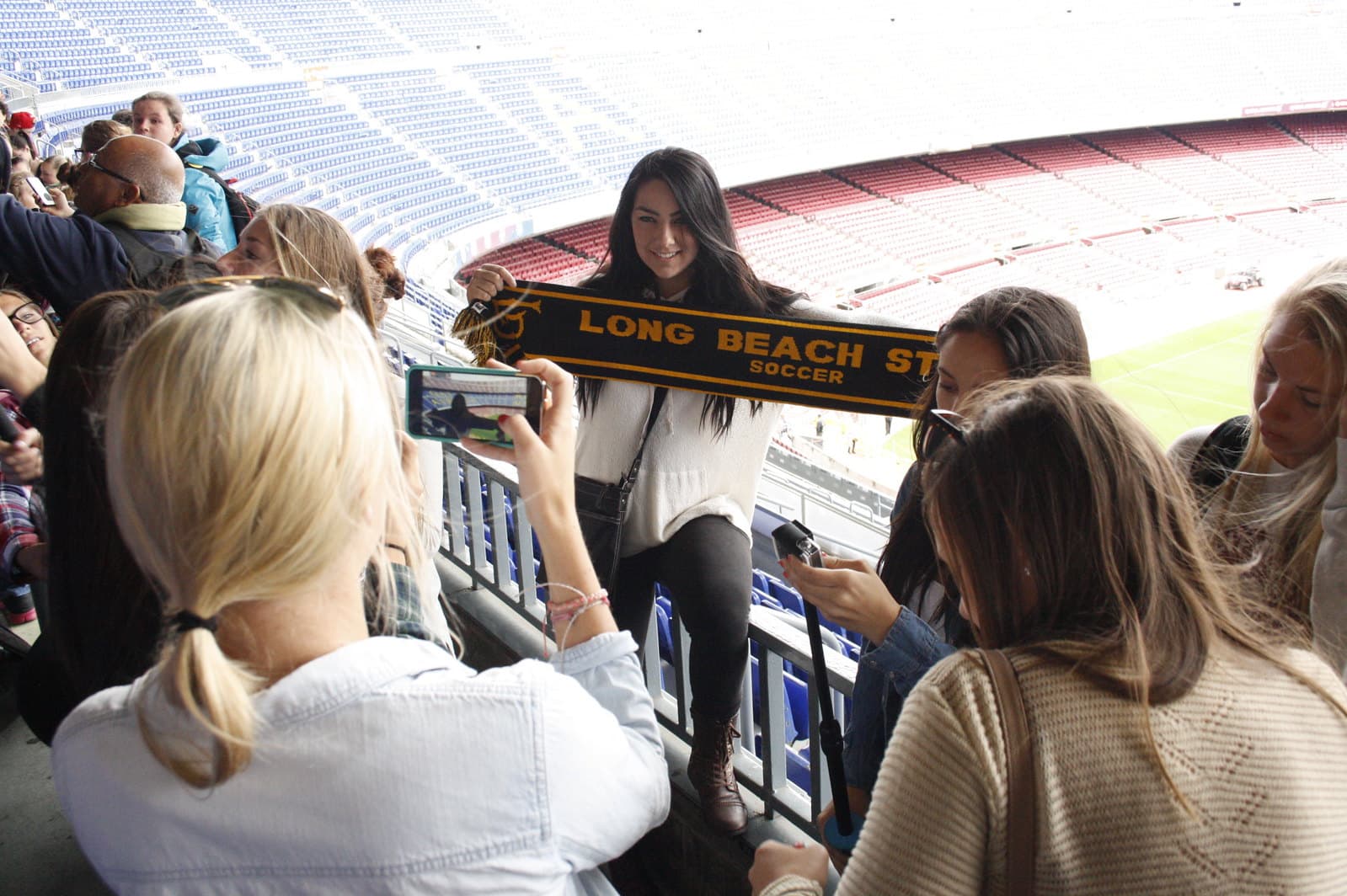
An international soccer tour is one of the most impactful experiences you can offer your players. It combines competitive football against unfamiliar opponents, cultural immersion, team bonding under travel conditions, and memories that last decades. But organizing one requires serious planning across logistics, finances, safeguarding, and football operations. This guide covers every stage of the process, from choosing a destination to managing the final day of the tour.
Why International Tours Matter
Youth players who travel internationally for soccer come back different. They learn to adapt to unfamiliar environments, play against teams with different tactical styles, and develop independence away from their usual routines. For many young athletes, a tour is the first time they represent their club in a truly foreign context, and the pride and responsibility that comes with it accelerates maturity both on and off the pitch.
From a development perspective, international tours expose players to styles of play they simply cannot encounter domestically. A team from the United States playing against Spanish academy sides will experience a level of technical quality and tactical discipline that raises their own standards. The lessons learned in those matches often have more lasting impact than an entire domestic season.
Beyond football, tours build team culture. Shared experiences like navigating an airport together, trying unfamiliar food, and overcoming the challenges of travel create bonds between players that strengthen the team dynamic long after the tour ends.
Choosing Your Destination
The destination shapes the entire tour experience. Key factors to consider include the quality of local opposition, the ease of organizing fixtures, safety and infrastructure, cultural appeal, and cost. Europe remains the most popular destination for youth soccer tours due to the concentration of academy-level opponents and the cultural richness of its cities.
- Spain: The gold standard for youth soccer tours, with world-class academies, excellent weather, and a football culture that permeates every level
- England: Strong domestic league structure and historic football culture, though weather can be unpredictable
- Netherlands: Renowned for youth development philosophy, excellent opposition at all age groups
- Portugal: Growing reputation for academy excellence, more affordable than Spain or England
- Germany: Highly organized youth football system, strong emphasis on tactical development
Start planning at least eight to twelve months in advance. This gives you time to secure fixtures, negotiate group rates on flights and accommodation, and give families enough notice to budget for the trip.
Building the Itinerary
The best tour itineraries balance football with cultural experiences and downtime. Cramming in five matches over six days sounds ambitious but leads to exhausted players and rushed experiences. A well-paced tour typically includes two to three competitive matches, one or two training sessions at quality facilities, cultural excursions, and at least one full rest day.
Sample 7-Day Tour Structure
- Day 1: Arrival, hotel check-in, light orientation walk
- Day 2: Morning training session at local facility, afternoon cultural activity
- Day 3: Match day against local academy side
- Day 4: Full-day cultural excursion (stadium tour, city sightseeing)
- Day 5: Morning training, afternoon rest, evening second match
- Day 6: Free morning, afternoon third match or tournament, farewell dinner
- Day 7: Departure
Managing the Budget
Cost is the biggest barrier to international tours, and transparency with families is essential from day one. Break the budget down clearly: flights, accommodation, ground transportation, meals, match fees, activities, insurance, and a contingency fund. Most clubs set a per-player cost and offer a payment plan that spreads the expense over several months.
Budget Tips
- Book flights as a group at least six months out for the best rates
- Use apartment-style accommodation instead of hotels to reduce meal costs
- Negotiate match fees directly with local clubs or through a ground operator
- Build in a ten percent contingency for unexpected expenses
- Offer fundraising opportunities for families who need financial support
Typical per-player costs for a seven-day European tour from the United States range from $2,500 to $4,000 depending on destination, accommodation standard, and activities included. Working with a specialist ground operator can reduce costs through local relationships and bulk pricing.
Selecting the Traveling Squad
Not every player in the club will be able to join the tour, and the selection process requires sensitivity. Some clubs take the entire team and make the tour open to all. Others select a touring squad based on commitment, attendance, and development criteria. Both approaches are valid, but whichever you choose, communicate the criteria clearly and early.
Keep the squad size manageable. For 11v11 football, eighteen to twenty players is ideal, giving enough depth to rotate without making it difficult to guarantee meaningful playing time. For younger age groups playing smaller formats, fourteen to sixteen players works well.
Every touring player should have a valid passport with at least six months remaining before expiration. Start the passport verification process immediately after squad selection to avoid last-minute crises.

Ground Operations
Ground operations, the on-the-ground logistics at your destination, are where tours succeed or fail. This includes airport transfers, transportation between venues, match coordination with local teams, access to training facilities, restaurant reservations, and activity bookings. Managing all of this remotely from another country, often in another language, is extremely difficult.
This is why most experienced touring clubs work with a dedicated ground operations partner. A good ground operator has established relationships with local clubs, knows which facilities are available and at what cost, handles all in-country logistics, and provides on-site support throughout the tour.
Odisea Tours specializes in exactly this role for youth soccer teams visiting Spain. As a ground agent based in Spain with deep connections to local academies and facilities, they handle everything from fixture arrangement to transportation, accommodation, and cultural activities. Having a trusted partner on the ground transforms the tour experience for coaches, who can focus entirely on the football and the players instead of logistics.
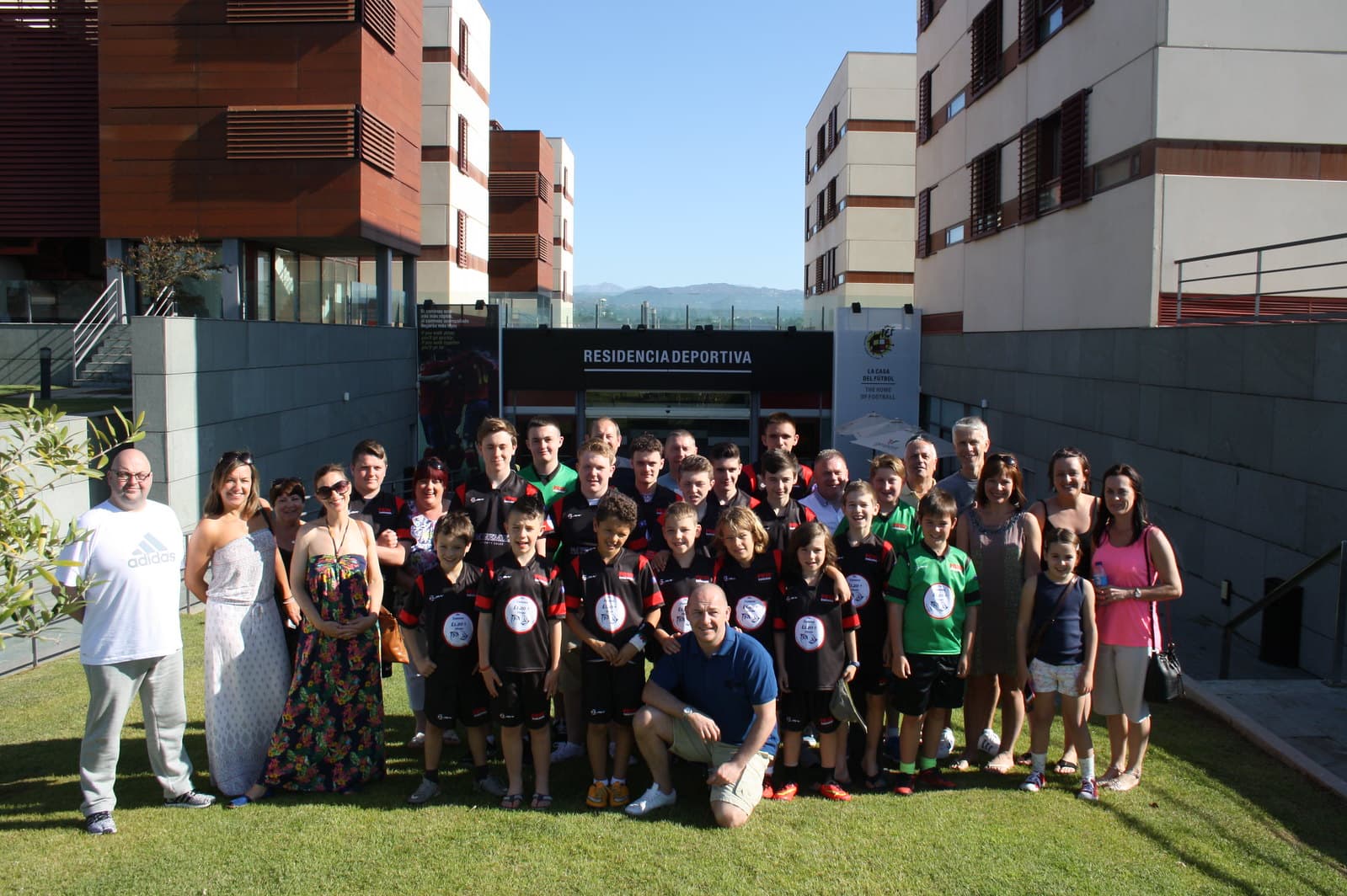
Spain: The Ultimate Youth Soccer Destination
There is a reason Spain consistently ranks as the top destination for international youth soccer tours. The country offers an unmatched combination of football quality, weather, culture, safety, and infrastructure that no other destination can replicate.
Why Spain Stands Out
- Football quality: Home to FC Barcelona, Real Madrid, and Atletico Madrid academies. Even local clubs play a technical, possession-based style that challenges visiting teams
- Weather: Reliable sunshine across most of the country, particularly in the south and east, minimizing weather-related disruptions
- Culture: Historic cities, world-class food, and a welcoming atmosphere that enriches the off-pitch experience
- Safety: Spain ranks among the safest countries in Europe for group travel with minors
- Infrastructure: Excellent roads, modern airports, and a well-developed network of sports facilities at every level
Popular tour regions include Barcelona and the Costa Brava for its concentration of elite academies, Madrid for the intensity of its football culture, Valencia for its combination of quality opposition and Mediterranean lifestyle, and Andalusia for its cultural richness and affordable pricing.
Making It Happen
An international soccer tour is a significant undertaking, but the impact on your players makes it worth every hour of planning. Start early, communicate transparently with families, build a balanced itinerary, manage the budget carefully, and work with experienced partners on the ground.
The players who go on these tours carry the experience with them for the rest of their lives. The football lessons are valuable, but the personal growth, the independence, the cultural awareness, and the friendships forged under travel conditions are what truly make an international tour transformational.
If you are ready to start planning, MyCantera's tours module connects clubs directly with ground operations partners like Odisea Tours, making it easy to explore destinations, request quotes, and manage the entire booking process from the same platform you use to run your club.
Related Articles
Start Planning Your Team's Tour
Explore destinations, connect with ground operators, and manage bookings through MyCantera's tours module.
Start Free