The Complete Guide to Managing a Youth Soccer Club in 2026
12 min read
By Juan Sanchez — Director at Odisea Tours & Founder of MyCantera
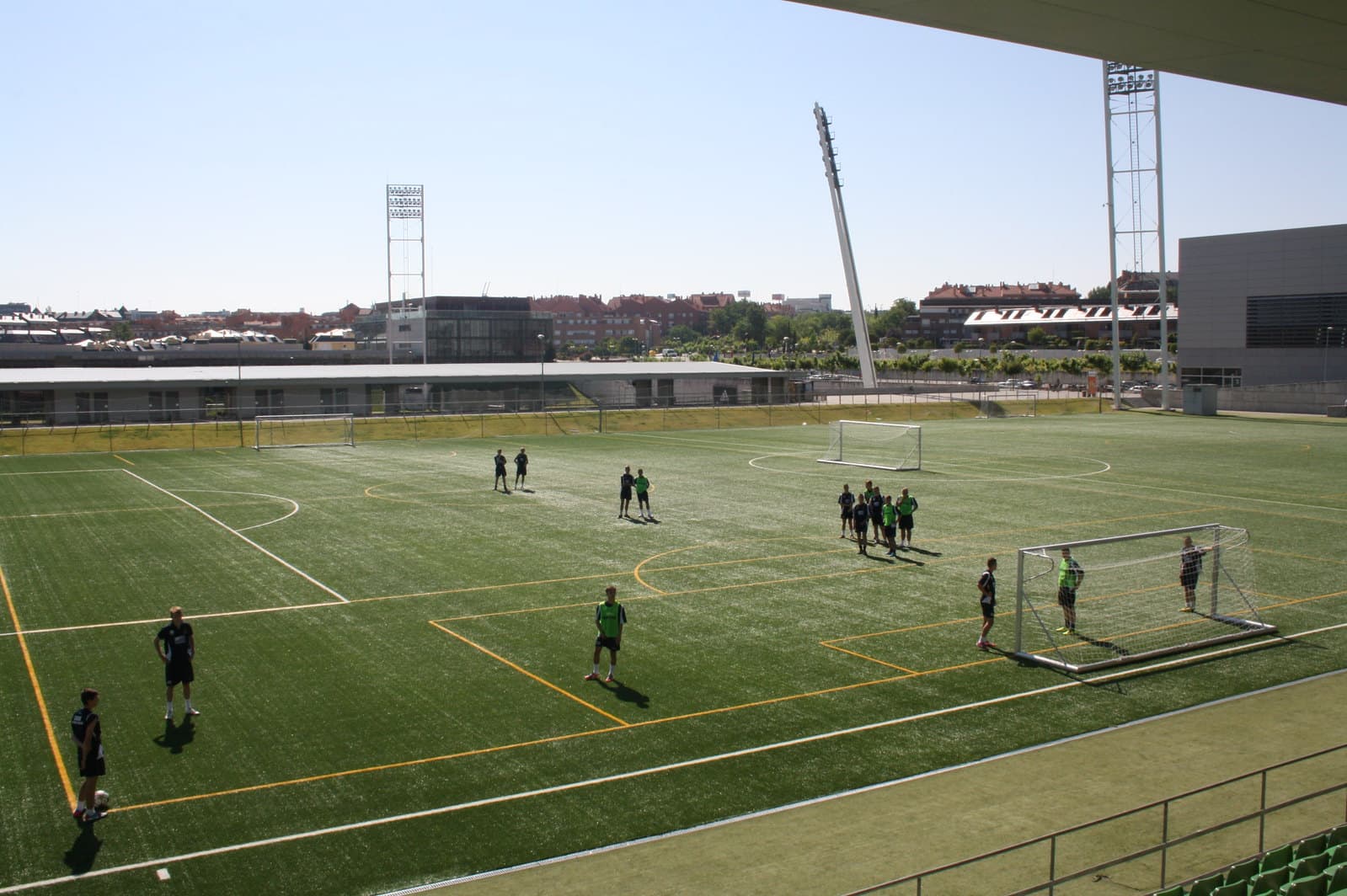
Running a youth soccer club has never been more rewarding or more demanding. Between juggling rosters across multiple age groups, coordinating match schedules, keeping parents in the loop, and tracking player attendance, the administrative burden can quickly overshadow the reason you started coaching in the first place: developing young players.
This guide breaks down the core pillars of youth soccer club management and shows you how to build systems that scale, whether you run a single team of 15 players or an academy with 200.
The Challenge
Most youth soccer clubs start the same way: a passionate coach, a group of kids, and a WhatsApp group. It works at first. But as the club grows, cracks appear. Registration forms get lost. Parents miss match day details. Attendance records live on scraps of paper. Season fees go uncollected for months. The coach, who should be focused on player development, becomes a part-time administrator instead.
The clubs that thrive in 2026 are the ones that treat operations with the same seriousness as tactics. That does not mean drowning in bureaucracy. It means having the right systems so that administrative tasks take minutes, not hours.

Roster Management
Your roster is the foundation of everything. Every communication, every attendance record, every development report ties back to the player list. Yet many clubs still manage rosters through spreadsheets that go out of date the moment a new player joins or someone switches teams.
An effective roster management system should let you organize players by team and age group, store essential details like position, parent contacts, and medical notes, and move players between squads without losing their history. Platforms like MyCantera centralize all of this in one place, so every coach in the club sees the same up-to-date information.
Key Roster Practices
- Assign every player to a primary team and track any guest appearances with other age groups
- Store emergency contacts and medical information digitally, accessible from your phone on match day
- Review and clean up rosters at the start of every season, archiving players who have left
- Give parents read-only access so they can verify their own child's details
Match Scheduling and Results
Scheduling matches across a full season, accounting for league fixtures, friendlies, tournaments, and training sessions, is one of the most time-consuming tasks in club management. Add in venue changes, referee assignments, and weather cancellations, and you have a logistics puzzle that demands a centralized calendar.
The best approach is a shared calendar that syncs with the tools parents and coaches already use. Google Calendar integration, for example, means fixture changes propagate automatically to everyone's phone. After each match, recording results, scorers, and brief notes creates a historical record that becomes invaluable when reviewing the season.
Soccer club software like MyCantera lets you create match events, record live scores, and generate season statistics without ever opening a spreadsheet. The data feeds directly into player profiles and development reports.
Communication That Works
Communication is the number one source of friction in youth soccer clubs. Coaches feel like they repeat themselves constantly. Parents feel like they are always the last to know. The root cause is almost always fragmentation: information scattered across WhatsApp, email, a Facebook group, and word of mouth at the sideline.
Centralizing communication into a single channel that everyone checks is transformative. This means one place for announcements, one place for match details, one place for polls and confirmations. It does not matter whether that channel is an app, a platform, or a well-run email list, as long as it is singular and consistent.
Communication Principles
- Send match day information at least 48 hours in advance, with a reminder on the morning of the game
- Use polls for availability checks instead of asking people to reply in chat
- Post news and announcements in a feed that parents can check on their own time
- Keep one-on-one player discussions private, never in group channels
Attendance and Accountability
Tracking attendance does more than tell you who showed up. It reveals patterns. You notice which players are consistently committed and which are drifting away. You can identify retention risks before they become dropouts. And when it comes to fair team selection, having objective attendance data removes subjectivity and sideline politics.
Digital attendance tracking, where a coach taps names on a phone at the start of each session, takes under a minute and generates data that compounds over a season. Over time, you build a clear picture of each player's commitment level, which feeds directly into development conversations with parents.
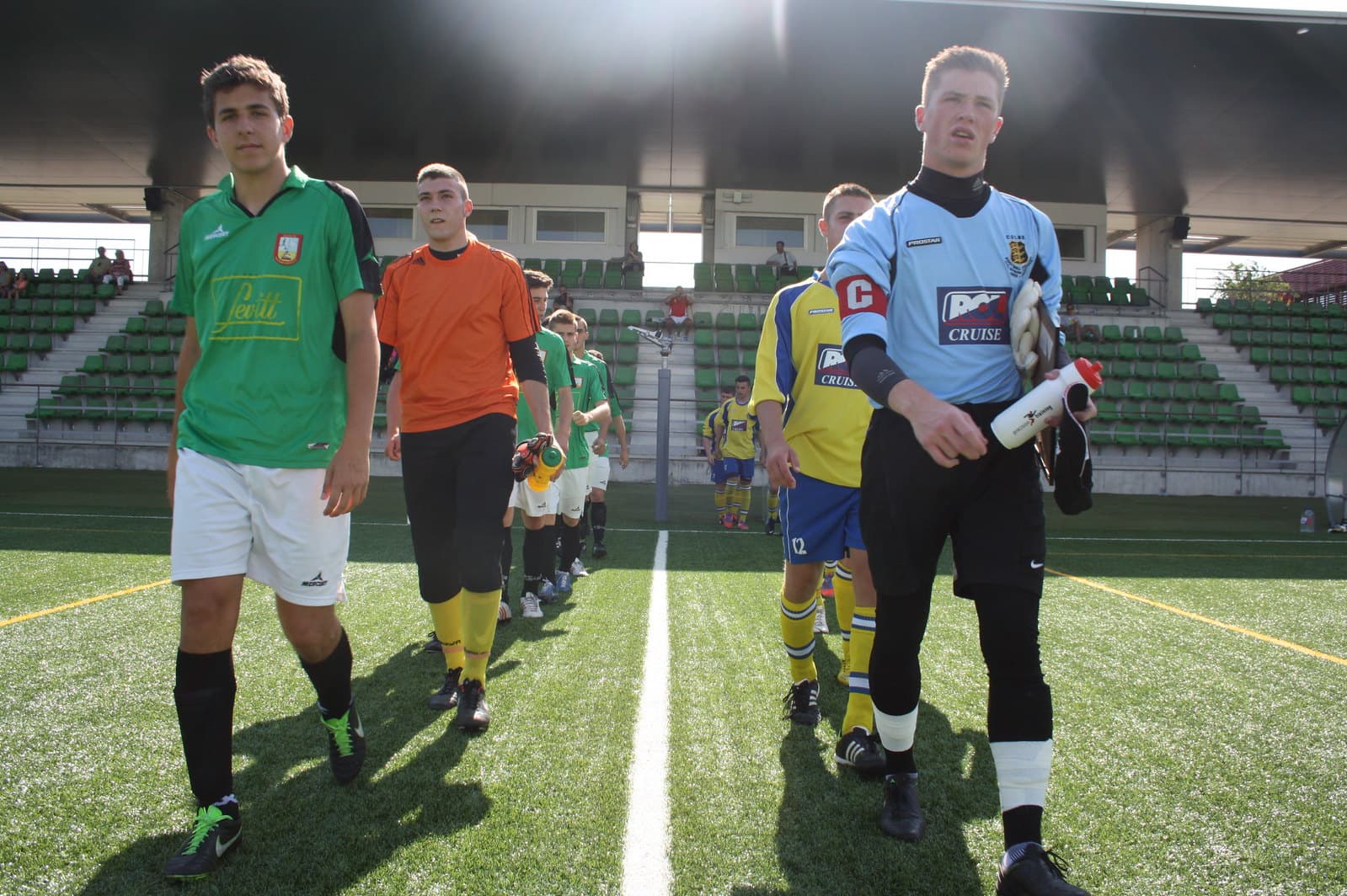
Technology: Your Secret Weapon
The youth soccer club management landscape has changed dramatically. A decade ago, the only options were expensive platforms designed for professional clubs or generic team management apps that did not understand soccer. Today, purpose-built tools exist for clubs of every size.
When evaluating soccer club software, look for these features: roster management with parent access, match scheduling with calendar sync, attendance tracking, a communication hub that replaces WhatsApp, and development tools like player reports and training logs. Bonus points if the platform offers AI-powered features like automated training plans or match analysis.
MyCantera was built specifically for this purpose. It combines club management, player development, AI coaching tools, and parent engagement in a single platform. The goal is simple: give coaches their time back so they can focus on what matters most, developing players.
Getting Started
You do not need to overhaul everything at once. Start with the biggest pain point. For most clubs, that is communication or scheduling. Move that one function into a centralized system. Once coaches and parents see the improvement, expanding to other areas becomes natural.
The clubs that will lead youth soccer in 2026 and beyond are not necessarily the ones with the biggest budgets or the most players. They are the ones that operate with clarity, consistency, and the right tools. The administrative side of running a club should be invisible to the players. They should only feel the results: well-organized training, clear communication, and a club that genuinely invests in their development.
Related Articles
Ready to Simplify Your Club Management?
Join hundreds of youth soccer clubs already using MyCantera to manage rosters, schedules, and communication in one place.
Start Free