How AI Is Transforming Youth Soccer Coaching
10 min read
By Juan Sanchez — Director at Odisea Tours & Founder of MyCantera
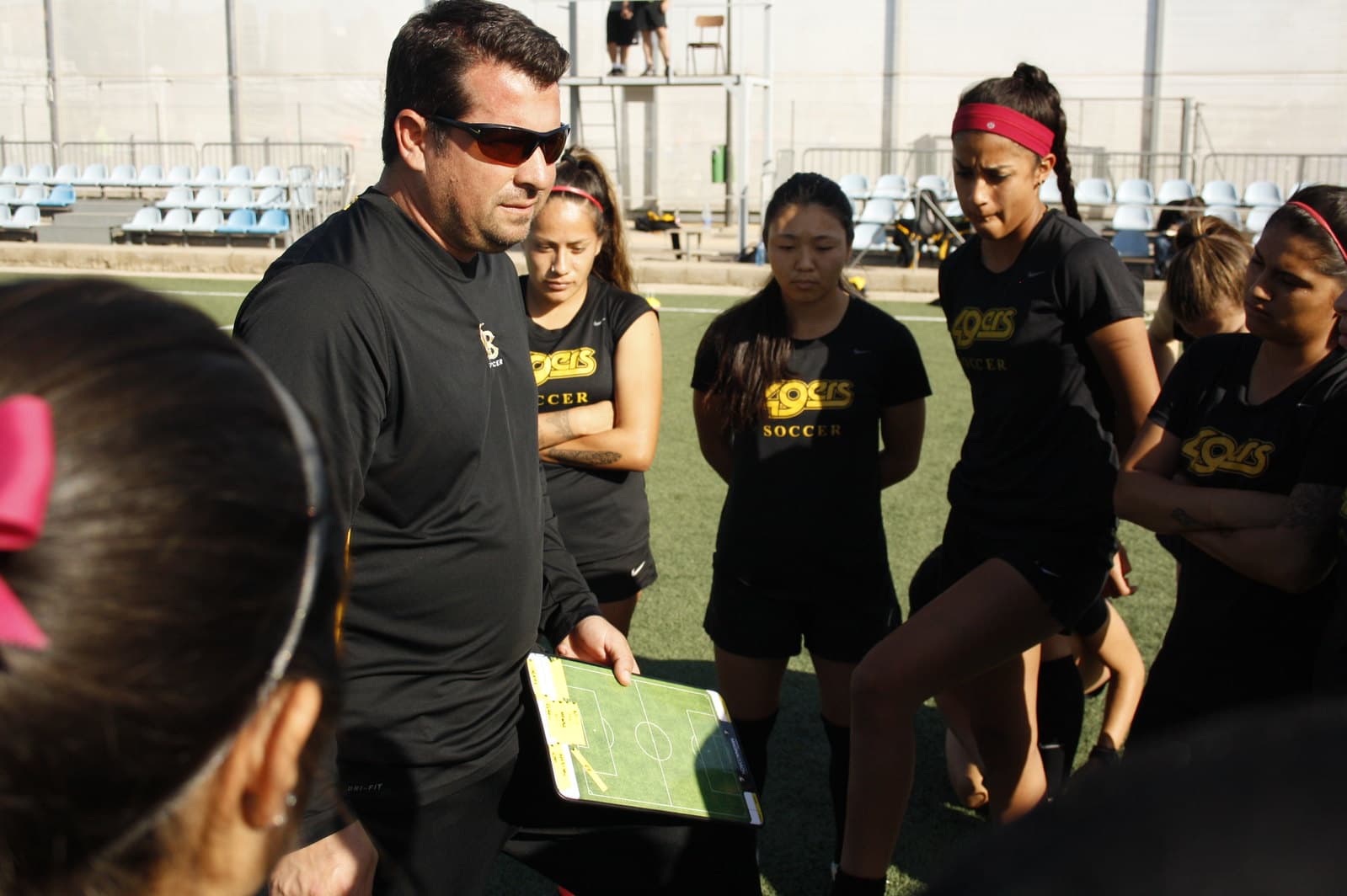
Artificial intelligence is no longer a futuristic concept reserved for professional clubs with million-dollar analytics departments. In 2026, AI coaching tools are accessible to grassroots coaches running training sessions at local parks. The shift is not about replacing coaches. It is about amplifying what a single coach can do for twenty players in a ninety-minute session.
The AI Revolution in Youth Soccer
Youth soccer coaching has always depended on the individual knowledge and experience of the coach. A veteran coach with two decades of experience designs better sessions, reads the game more deeply, and adapts to player needs more intuitively than someone in their first year. AI does not eliminate that gap, but it narrows it dramatically.
Modern AI soccer coaching tools can analyze training patterns, generate session plans tailored to specific age groups and skill levels, produce detailed match reports from basic input data, and track player development over time. The coach remains the decision-maker. The AI handles the data processing and pattern recognition that would otherwise take hours.
AI Training Session Generation
Planning a training session is one of the most important and most time-consuming parts of coaching. A good session needs a clear objective, age-appropriate exercises, progressive difficulty, and variety to keep players engaged. Many coaches spend thirty minutes or more planning each session, and those who do not plan often fall into repetitive patterns that stall player development.
AI training session generators change this equation entirely. On MyCantera, coaches can describe what they want to work on, such as "possession under pressure for U14s" or "finishing in the box for U12s," and the AI produces a complete session plan with warm-up, main drills, a game-related exercise, and a small-sided game. Each drill includes setup instructions, coaching points, and progressions.
What Makes AI Sessions Different
- Sessions are adapted to the number of players available, not just a generic template
- The AI considers previous sessions to avoid repetition and ensure progressive overload
- Coaches can regenerate individual drills without scrapping the entire plan
- Session plans align with the club's playing style and development philosophy
The result is not a replacement for coaching knowledge. It is a starting point that saves time and introduces exercises the coach might not have considered. The best coaches use AI-generated plans as a foundation, then adjust on the field based on what they see.
Automated Match Reports
After a match, most youth coaches have a mental picture of how the game went but rarely have time to formalize it into a written report. That means valuable insights, like which player struggled with defensive transitions or who consistently made the right passing decisions, are lost by the next training session.
AI match analysis tools solve this by turning basic match data into structured reports. On MyCantera, a coach inputs the score, minutes played per player, key events, and brief notes. The AI generates a full match report covering team performance, individual highlights, areas for improvement, and recommended focus areas for the next training session.
These reports are not just for coaches. They can be shared with parents through the parent portal, giving families visibility into their child's development that goes far beyond "they played well today." Over time, the accumulated reports create a development narrative for each player that is invaluable for academy reviews, trial preparation, or simply tracking growth.
Player Development Intelligence
Tracking player development at the youth level has traditionally been subjective. A coach knows which players are improving, but quantifying that improvement and communicating it to parents or club directors is difficult without structured data.
AI-powered development tracking aggregates data from attendance records, match reports, training performance, and coach evaluations to build a dynamic profile for each player. The system identifies trends that might take a human months to notice: a midfielder whose defensive contribution has steadily improved over eight weeks, or a striker whose goal involvement drops in away matches.
Development Insights AI Can Surface
- Season-long performance trends across technical, tactical, physical, and social dimensions
- Comparison against age-group benchmarks to contextualize individual progress
- Recommendations for focus areas based on recent performance data
- Automated end-of-season development summaries for every player
The Human + AI Partnership
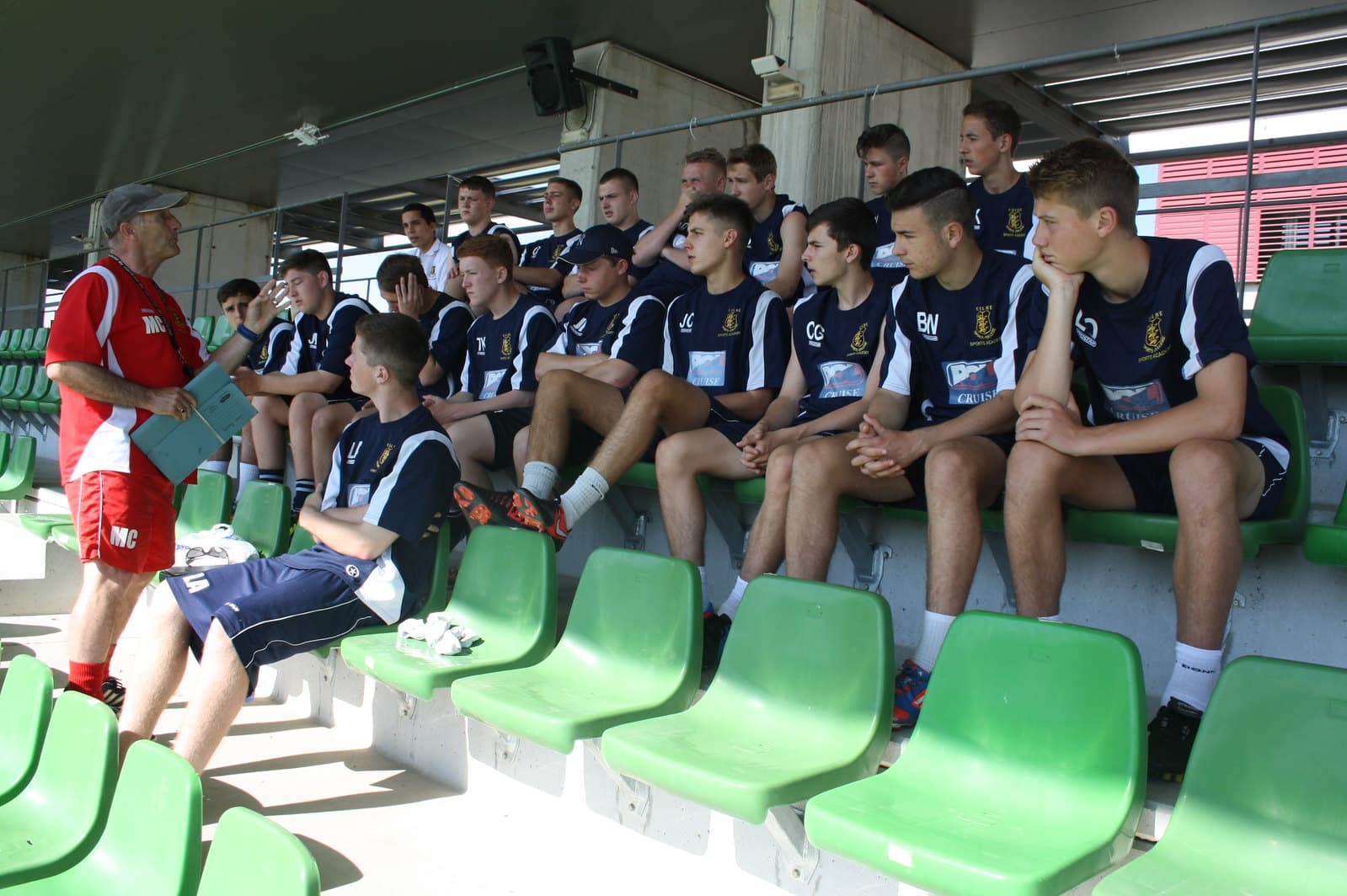
The most important thing to understand about AI in youth soccer is that it is a tool, not a replacement. AI cannot read a player's body language, sense when a child is having a bad day, or deliver the motivational talk that turns a season around. Those are fundamentally human skills that define great coaching.
What AI does is remove the administrative friction that prevents coaches from spending more time on those human moments. When session planning takes two minutes instead of thirty, and match reports generate themselves from basic inputs, the coach has more energy and attention for the parts of the job that actually matter: connecting with players, reading the game, and making in-the-moment coaching decisions.
MyCantera is built around this philosophy. Every AI feature is designed to give coaches time back, not to make decisions for them. The coach remains the expert. The AI handles the paperwork.
What's Next
The AI tools available to youth soccer coaches today are just the beginning. Within the next few years, expect to see real-time tactical suggestions during matches, video analysis powered by phone cameras, and predictive models that identify talent trajectories at younger ages. The clubs that embrace these tools now will have a significant advantage, not because the technology itself wins games, but because it frees coaches to do what they do best.
The question for youth soccer clubs is no longer whether AI has a role in coaching. It is whether you are ready to start using it.
Related Articles
Related reads
Experience AI-Powered Coaching Tools
Generate training sessions, automate match reports, and track player development with MyCantera's built-in AI.
Start Free